- The war (which started late Feb 2026) is only a few weeks old.
- Fighting is still escalating, not winding down:
- Iran has launched missile attacks across the region
- The U.S. and Israel are continuing large-scale strikes
- A major flashpoint is the Strait of Hormuz, a key oil route:
- Iran has partially shut it down
- The U.S. has issued a 48-hour ultimatum to reopen it
👉 That kind of ultimatum usually signals possible escalation, not peace.
Are there peace talks happening?
Not really.
- Iran’s leadership has rejected de-escalation proposals
- Officials say they’re not seeking a ceasefire right now
- The U.S. has said there is no clear timeline to end the war
Even earlier mediation efforts (from countries like Oman or Egypt) have failed so far.
Why it’s hard to end quickly
There are a few big reasons:
- Both sides think they still have leverage
- Iran is using oil disruption as pressure
- The U.S./Israel are trying to weaken Iran’s military
- Leadership is hardline right now
- Iran’s new supreme leader has taken a tougher stance
- Too much already invested
- Thousands killed and major infrastructure damage
- Neither side wants to “lose face”
- A quick peace deal is unlikely
- The most realistic short-term outcome is a temporary ceasefire, not a full resolution
- Short term (weeks): likely more escalation or standoff
- Medium term (months): possible ceasefire if costs get too high
- Long term: full peace could take years, not months
There are basically 4 realistic ways this war could end, and each one has very different odds.
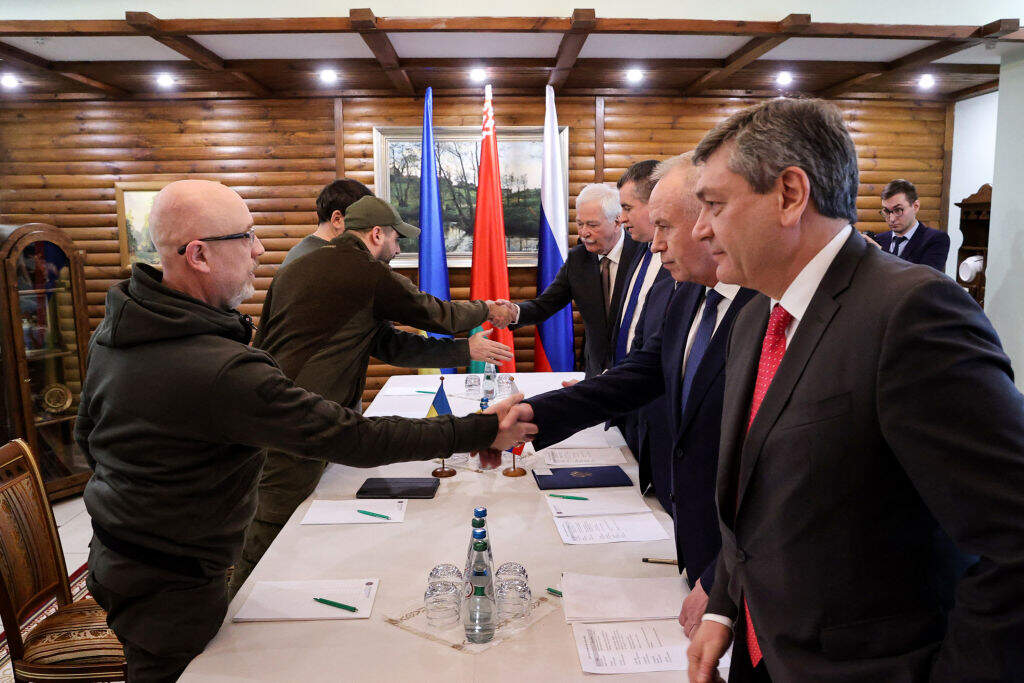
🕊️ 1. Negotiated ceasefire (most likely first step)
4
This is the most common way modern wars pause.
What would need to happen:
- Both Iran and the U.S./allies feel the war is too costly to continue
- A neutral country (like Oman, Qatar, or Switzerland) brokers talks
- They agree to:
- Stop attacks
- Possibly reopen the Strait of Hormuz
- Exchange prisoners or reduce sanctions
👉 Important: this wouldn’t be a “true peace,” just a pause in fighting.
What’s blocking it right now:
- Iran doesn’t want to look like it gave in
- The U.S. believes more pressure could force better terms
⚔️ 2. One side forces the other to stop (military outcome)
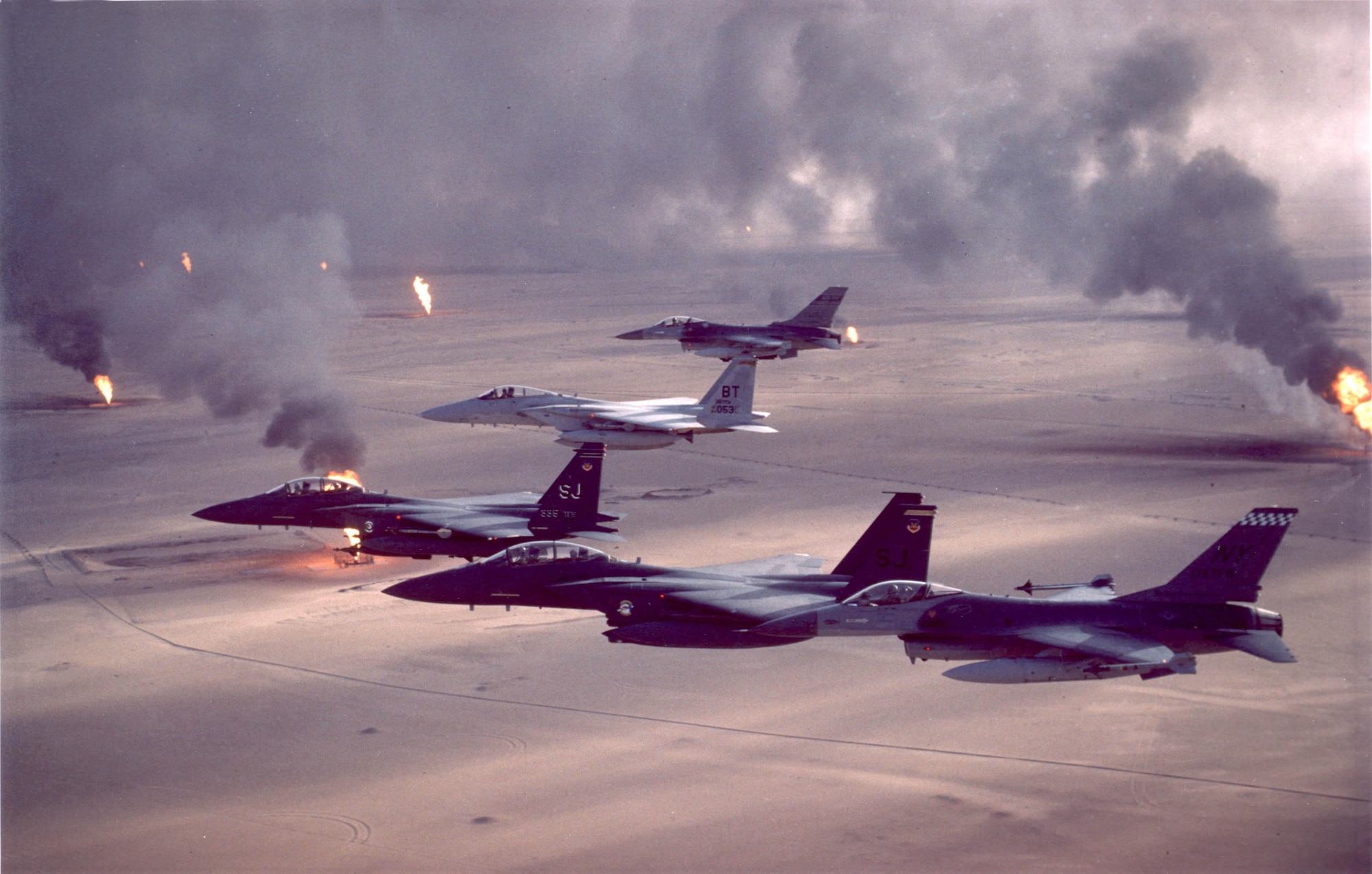

This would mean one side loses the ability or will to keep fighting.
Examples:
- Iran’s military or infrastructure is heavily degraded
- Or Iran successfully disrupts global oil and forces outside pressure on the U.S.
- Iran is large and hard to “defeat” completely
- The U.S. isn’t trying to occupy the country
So this path usually leads back to… a negotiated ceasefire anyway.

If things get worse, outside pressure could force an end.
Triggers might include:
- Full closure of the Strait of Hormuz (huge global oil shock)
- Other countries getting pulled in (wider regional war)
- Massive civilian casualties
Then:
- The UN or major powers step in hard
- Even allies push both sides to stop
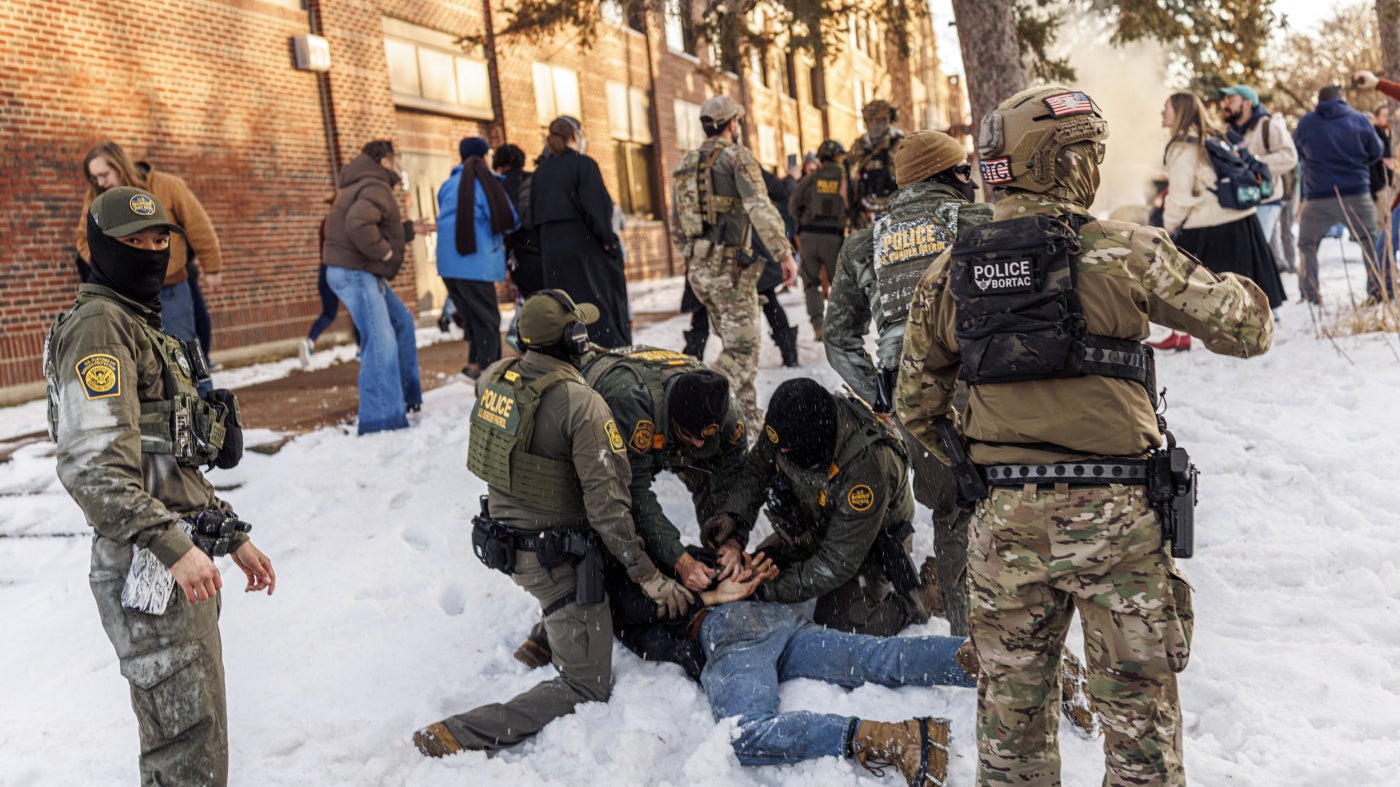
This is what many experts think could happen.
- Fighting slows but never fully stops
- Ongoing:
- Missile strikes
- Cyberattacks
- Proxy conflicts
It turns into a “cold war–style conflict”, not a clean ending.
For the war to truly wind down, at least one of these must happen:
- Costs outweigh goals for both sides
- A face-saving deal is available
- Outside pressure becomes overwhelming
- Or one side loses key capabilities
Right now, none of those conditions are fully in place yet.
- Wars rarely end quickly unless one side collapses
- This one involves major strategic stakes (oil, regional power, alliances)
- That usually means months or longer, not weeks
.
 Critical Thinking